Temple Glimpse
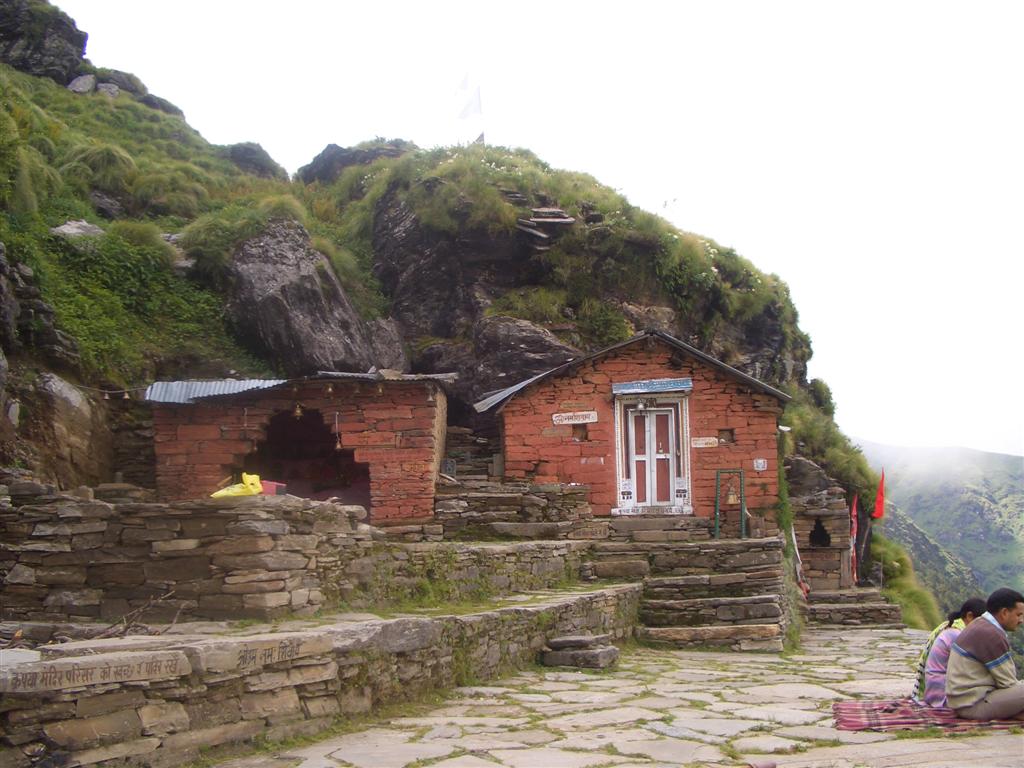
Mythology & Significance
ॐ नमः शिवाय
I bow to Shiva — the auspicious one
Universal Shaiva mantra of this shrine’s living devotion
Significance in mythology
Rudranath is the Panch Kedar seat associated with Shiva’s face (mukha) in the Garhwal bull-form legend that follows the Pandavas’ search for Shiva after Kurukshetra. In that widely told Himalayan mahatmya, Shiva dove into the earth as a bull; different limbs became five Kedars, with Kedarnath holding the hump and Rudranath the face — hence the fierce Rudra aspect emphasised here.
The shrine thus joins Mahabharata memory with living Shaiva mountain theology: Rudra as storm, wildness, and grace in the high Garhwal forests.
Local stories & beliefs
The demanding trek is itself considered the ‘gate’ to darshan. Shepherds’ paths and mist-filled valleys feed a local sense of Rudra as wild mountain lord.
Fewer facilities than famous dhams preserve an austere pilgrimage ethos; many Garhwal families treat completing Rudranath as a mark of serious Kedara devotion.
Scriptural & traditional links: Panch Kedar sthala tradition, Mahabharata-linked Garhwal Shaiva lore, Accounts summarised from widely cited Puranic, epic, and pilgrimage traditions; local tellings may differ.
Known for: Panch Kedar face-form shrine
Important Days, Festivals & Best Time
Festivals & sacred days
- Maha Shivaratri
- Mondays / Pradosham where observed
Watch & Learn
Orientation videos only — verify timings on official sources.
Location on Map
Pinpoint the sacred site, then plan your approach from the nearest rail or airport listed below.
Getting There, Stay & Food
Accommodation
Dharamshalas, temple-trust guest houses, and private hotels near Rudranath Temple. Book early for festival weeks; prefer official trust counters when available.
Local food
Simple hill vegetarian meals and prasadam; carry dry snacks on treks.
Other food options
Wider vegetarian and city cuisine usually in the nearest town; keep non-veg and alcohol away from temple precincts as posted.
Nearby Places & Clubbed Packages
Same-trip places
Suggested packages
- Rudranath Temple — day darshan
- Rudranath Temple + Kalpeshwar Temple — 2-day circuit
- Regional Uttarakhand multi-temple circuit
Practical Darshan Details
Restrictions at gates
Follow phone, leather, and photography rules posted at the gate.
Official trust / tourism website ↗
State / board reference: Shri Badrinath–Kedarnath Temple Committee ↗
Common questions · सामान्य प्रश्न
Tap any question for a fuller pilgrim brief — mythology, season, how to reach, darshan practicals, food, and how to verify on official channels. Schedules change; always confirm before travel.
What is Rudranath Temple known for?
Panch Kedar face-form shrine. Third Panch Kedar temple — a demanding trek shrine where Shiva’s face is worshipped in tradition.
Where is Rudranath Temple located?
Chamoli, Uttarakhand, India
Who is worshipped at Rudranath Temple?
Lord Shiva (Rudranath)
What is the mythological significance of Rudranath Temple?
Rudranath is the Panch Kedar seat associated with Shiva’s face (mukha) in the Garhwal bull-form legend that follows the Pandavas’ search for Shiva after Kurukshetra. In that widely told Himalayan mahatmya, Shiva dove into the earth as a bull; different limbs became five Kedars, with Kedarnath holding the hump and Rudranath the face — hence the fierce Rudra aspect emphasised here. Local memory also notes: The demanding trek is itself considered the ‘gate’ to darshan. Shepherds’ paths and mist-filled valleys feed a local sense of Rudra as wild mountain lord. Fewer facilities than famous dhams preserve an austere pilgrimage ethos; many Garhwal families treat completing Rudranath as a mark of serious Kedara devoti…
When is the best time to visit Rudranath Temple?
Best time: May–June, September–October
Climate: Himalayan — cool to cold by altitude; monsoon landslide risk on hill roads.
Carry: Warm layers and rain protection for hills. Modest clothes, ID proof, water, and offline maps.
Festival weeks and weekends are busier — leave buffer for queues and parking.
How do I reach Rudranath Temple?
Nearest rail: Rishikesh
Nearest airport: Dehradun
Map search tip: Rudranath Temple.
Last-mile roads, seasonal closures, and local transport change — confirm before you set out.
Which festivals are important at Rudranath Temple?
Widely noted observances linked to this shrine include: Maha Shivaratri, Mondays / Pradosham where observed.
Exact dates follow the lunar / temple calendar and can shift each year. Use the temple’s official notices for the final schedule.
What should visitors know for darshan at Rudranath Temple?
Dress code: Modest attire — shoulders and knees covered preferred. Follow temple boards for traditional dress, footwear, and phone rules.
Darshan timings: Typically early morning to evening with aarti and ritual breaks. Confirm same-day timings on the temple trust / endowment board notices.
Special entry / passes: Special entry, if any, only via official temple counters.
Gate restrictions: Follow phone, leather, and photography rules posted at the gate.
Lockers / cloakroom: Cloakrooms where available near the entrance.
Phone, leather, and photography rules are set by the temple board — follow what is posted at the gate.
Sources & Updates
- Shri Badrinath–Kedarnath Temple Committee: https://badrinath-kedarnath.gov.in/
- Temple trust / local administration notices
- State tourism materials
- Puranic / pilgrimage tradition (lists can vary by scripture)
- Uttarakhand Tourism: https://uttarakhandtourism.gov.in/
Photo: rolling on · CC BY-SA 2.0 · Wikimedia Commons
Last updated: 2026-08-09. Lists and ritual details can vary by tradition. Verify before travel.
Feedback · सुधार
Help us validate this page: suggest a correction, add a detail, or highlight something useful for home puja readers.
Feedback is emailed to TirthaYatra for editorial review. It is not published live automatically (safer for quality and ads policy). You can also keep a personal copy on this device.