Temple Glimpse
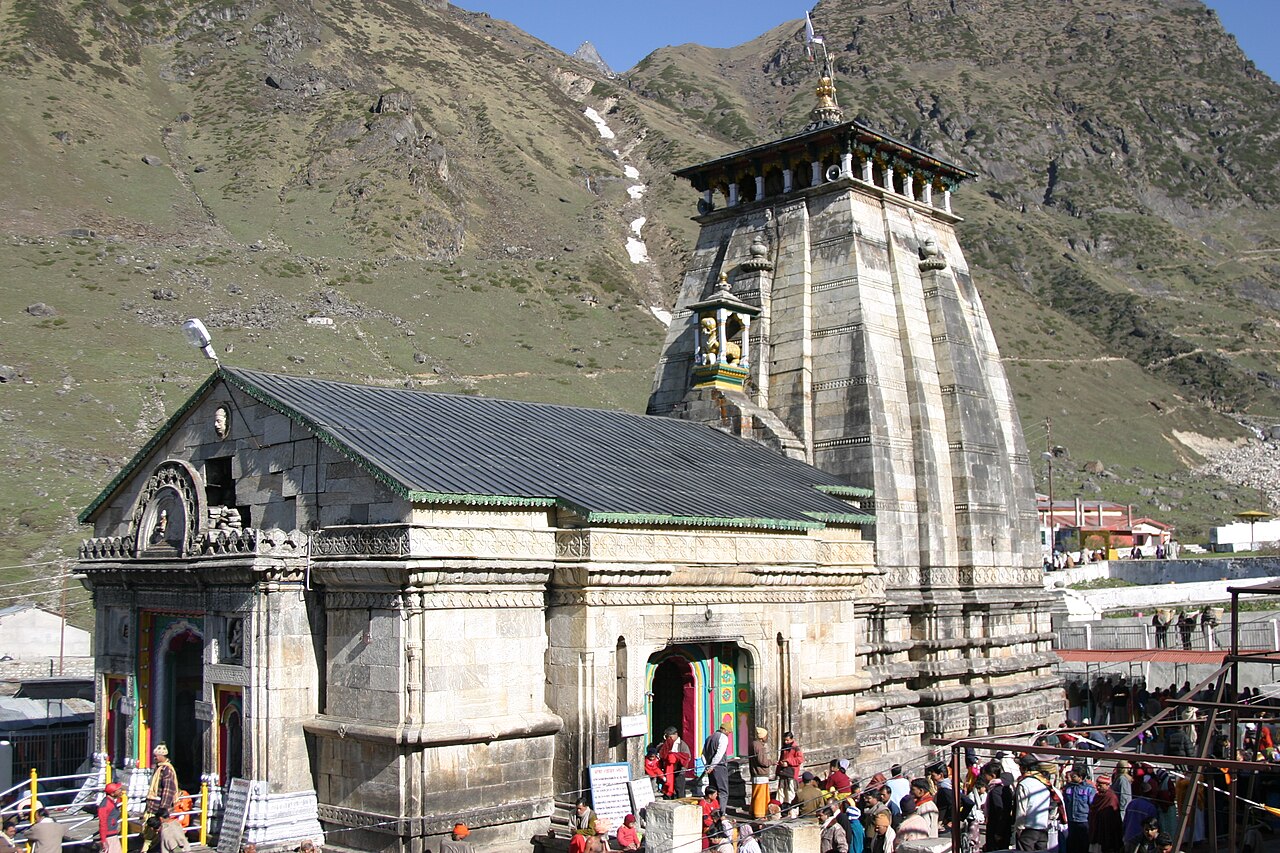
Mythology & Significance
ॐ नमः शिवाय
I bow to Shiva — the auspicious one
Universal Shaiva mantra; often on the lips of Kedarnath yatris
Significance in mythology
Kedarnath is counted among the twelve Jyotirlingas — foremost seats where Shiva is worshipped as a pillar of light (jyoti). In the Mahabharata–linked Garhwal tradition, the Pandavas sought Shiva after the Kurukshetra war. Shiva, avoiding them in the form of a bull, submerged into the earth; the hump remaining at Kedarnath became the object of worship. The Skanda Purana and later Himalayan mahatmya literature celebrate this landscape as part of Shiva’s Himalayan presence.
Kedarnath also belongs to the Uttarakhand Chota Char Dham and to the Panch Kedar set. It is not one of Adi Shankaracharya’s four pan-India Char Dham seats (Badrinath, Dwarka, Puri, Rameswaram).
Local stories & beliefs
Garhwal pilgrims regard the rocky shrine and surrounding peaks as living presence of Shiva. Adi Shankaracharya is traditionally linked with the temple’s living monastic framework and a samadhi site nearby. In winter, when snow closes the high shrine, worship continues at Ukhimath — a seasonal belief that the deity ‘moves’ with the community.
Many devotees treat the trek itself as tapasya. Local lore also connects nearby Panch Kedar temples to different parts of Shiva’s bull-form.
Scriptural & traditional links: Mahabharata (Pandava–Shiva tradition), Shiva Purana / Jyotirlinga lists, Skanda Purana Himalayan mahatmya traditions, Accounts summarised from widely cited Puranic, epic, and pilgrimage traditions; local tellings may differ.
Known for: Himalayan Jyotirlinga & monsoon-season yatra
Important Days, Festivals & Best Time
Festivals & sacred days
- Temple opening (Akshaya Tritiya period — dates vary yearly)
- Closing before heavy winter (typically Bhai Dooj / Kartik)
- Maha Shivaratri (celebrated at Ukhimath winter seat when temple is closed)
Watch & Learn
Orientation video — verify current trek and helicopter advisories before travel.
Location on Map
Pinpoint the sacred site, then plan your approach from the nearest rail or airport listed below.
Getting There, Stay & Food
Accommodation
GMVN and private lodges in Gaurikund, Guptkashi, Sitapur; limited rooms near temple in season. Book early for peak months. Temple-committee / trust arrangements change yearly — check official yatra portals.
Local food
Simple Garhwali vegetarian thalis, tea stalls, prasadam lines. Pure veg culture dominates the yatra route.
Other food options
Limited non-local options; carry dry snacks/electrolytes for the trek.
Nearby Places & Clubbed Packages
Same-trip places
Suggested packages
- Classic Char Dham (Yamunotri–Gangotri–Kedarnath–Badrinath) — 10–12 days
- Kedarnath + Badrinath only — 5–7 days from Haridwar/Rishikesh
Practical Darshan Details
Restrictions at gates
Drones restricted. Plastic rules apply on trek routes. Follow local administration advisories after rain. Leather items: follow queue instructions at entry.
Official trust / tourism website ↗
State / board reference: Shri Badrinath–Kedarnath Temple Committee ↗
Common questions · सामान्य प्रश्न
Tap any question for a fuller pilgrim brief — mythology, season, how to reach, darshan practicals, food, and how to verify on official channels. Schedules change; always confirm before travel.
What is Kedarnath Temple known for?
Himalayan Jyotirlinga & monsoon-season yatra. One of the twelve Jyotirlingas, set in the Garhwal Himalaya — among the most revered and demanding pilgrimages in North India.
Where is Kedarnath Temple located?
Rudraprayag district, Uttarakhand, India
Who is worshipped at Kedarnath Temple?
Lord Shiva (Kedarnath)
What is the mythological significance of Kedarnath Temple?
Kedarnath is counted among the twelve Jyotirlingas — foremost seats where Shiva is worshipped as a pillar of light (jyoti). In the Mahabharata–linked Garhwal tradition, the Pandavas sought Shiva after the Kurukshetra war. Shiva, avoiding them in the form of a bull, submerged into the earth; the hump remaining at Kedarnath became the object of worship. The Skanda Purana and later Himalayan mahatmya literature celebrate this landscape as part of Shiva’s Himalayan presence. Kedarnath is part of the Uttarakhand Chota Char Dham and Panch Kedar, and is a Jyotirlinga — it is not one of Adi Shankaracharya’s four Char Dham seats (those are Badrinath, Dwarka, Puri, Rameswaram). Local memory also notes: Garhwal pilgrims…
When is the best time to visit Kedarnath Temple?
Best time: May–June and September–early October. Monsoon (July–August) brings landslide risk; winter access is closed.
Climate: Alpine. Days can be bright and cold; nights near freezing even in season. Weather changes quickly.
Carry: Warm layers even in summer, rain shell, sturdy trekking shoes, torch, basic medicines, cash, photocopies of ID. Oxygen / pony / helicopter options exist for those who need them — plan ahead.
Festival weeks and weekends are busier — leave buffer for queues and parking.
How do I reach Kedarnath Temple?
Nearest rail: Rishikesh (~210 km) or Haridwar; then road to Gaurikund and trek (~16 km) or helicopter (seasonal).
Nearest airport: Dehradun (Jolly Grant); helicopters operate seasonally from Phata / Guptkashi area subject to weather.
Map search tip: Kedarnath Temple Uttarakhand.
Last-mile roads, seasonal closures, and local transport change — confirm before you set out.
Which festivals are important at Kedarnath Temple?
Widely noted observances linked to this shrine include: Temple opening (Akshaya Tritiya period — dates vary yearly), Closing before heavy winter (typically Bhai Dooj / Kartik), Maha Shivaratri (celebrated at Ukhimath winter seat when temple is closed).
Exact dates follow the lunar / temple calendar and can shift each year. Use the temple’s official notices for the final schedule.
What should visitors know for darshan at Kedarnath Temple?
Dress code: Modest clothing covering shoulders and knees. Warm layers essential. No strict dhoti mandate, but remove footwear at the temple.
Darshan timings: Seasonal; typically early morning to evening with short midday breaks. Exact aarti and darshan slots are published each season by the temple administration.
Special entry / passes: Helicopter tickets and VIP/priority arrangements (when available) are managed through official Uttarakhand yatra / temple portals — avoid unofficial agents.
Gate restrictions: Drones restricted. Plastic rules apply on trek routes. Follow local administration advisories after rain. Leather items: follow queue instructions at entry.
Lockers / cloakroom: Limited cloak / luggage facilities at Gaurikund and near temple approaches — confirm on site; travel light for the trek.
Phone, leather, and photography rules are set by the temple board — follow what is posted at the gate.
Sources & Updates
- Shri Badrinath–Kedarnath Temple Committee: https://badrinath-kedarnath.gov.in/
- Official Badrinath-Kedarnath Temple Committee portal
- Uttarakhand Tourism / Char Dham Yatra advisories
- Uttarakhand Tourism: https://uttarakhandtourism.gov.in/
Photo: Shaq774 at en.wikipedia · Public domain · Wikimedia Commons
Last updated: 2026-07-30. Timings, helicopter rules, and trek conditions change every season. Always reconfirm on the official trust / district administration websites before travel.
Feedback · सुधार
Help us validate this page: suggest a correction, add a detail, or highlight something useful for home puja readers.
Feedback is emailed to TirthaYatra for editorial review. It is not published live automatically (safer for quality and ads policy). You can also keep a personal copy on this device.