~4 minute read · home puja
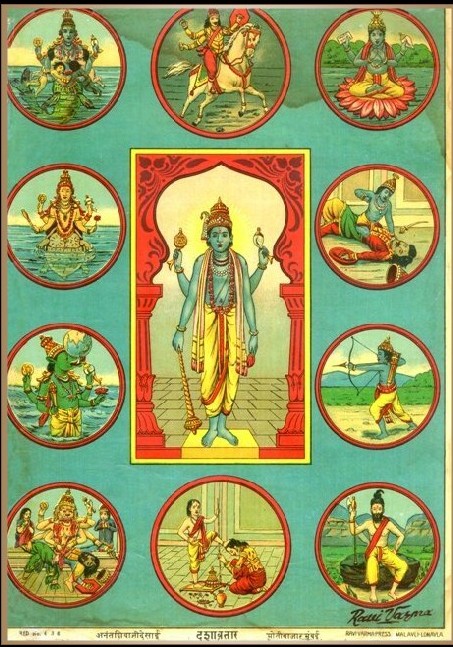
दशावतार — घर-स्मृति हेतु विष्णु के दस रूप
Dashavatara — ten forms of Vishnu for home remembrance
मत्स्य से भविष्य के सारथि तक — एक प्रभु युग-आवश्यक रूप धारण करते हैं।
From fish to future rider — one Lord wears the form the age requires.
कथा · The story
दशावतार विष्णु के दस प्रमुख अवतार मंदिर-पट्ट और घर-प्रार्थना में स्मृत: मत्स्य, कूर्म, वराह, नरसिंह, वामन, परशुराम, राम, कृष्ण (कुछ सूचियों में बलराम), बुद्ध (अनेक वैष्णव सूचियों में), और आने वाले कल्कि। प्रत्येक संकट का उत्तर — जलप्रलय, डूबती धरती, अत्याचार, अहंकार, अन्याय — आवश्यकता-अनुकूल रूप से। घर-भक्ति में यह श्रृंखला मानचित्र है: धर्म ढलता है; करुणा सेवानिवृत्त नहीं होती। छोटी कथा याद दिलाती है कि अहंकार, भय या लालसा कृपा से कैसे मिली — और घर की पूजा में वह दृश्य क्यों जीवित है। विष्णु-दिन पर दस नाम एक बार धीरे जपें — घर पर दो-मिनट दशावतार माला। पुराण, क्षेत्र और दादी की आवाज़ भिन्न; TirthaYatra सीख हेतु साझा सांस्कृतिक धारा देती है — एकमात्र पाण्डुलिपि का दावा नहीं। दीप बुझाने से पहले एक कोमल व्रत: Pick one avatar lesson (patience, courage, humility) and practise it today। यही मिथक रीति बनता है — बल बिना क्रूरता, भक्ति बिना जल्दबाजी।
Dashavatara names ten principal descents of Vishnu remembered in temple panels and home prayer: Matsya, Kurma, Varaha, Narasimha, Vamana, Parashurama, Rama, Krishna (or Balarama in some lists), Buddha (in many Vaishnava lists), and Kalki yet to come. Each answers a crisis — flood, sinking earth, tyranny, pride, injustice — with a form matched to the need. For home devotion the series is a map: dharma adapts; compassion does not retire. The short telling remembers how pride, fear, or longing met grace — and why the scene still shapes home puja. On Vishnu days, recite the ten names slowly once — a two-minute Dashavatara mala at home. Tellings differ by Purana, region, and grandmother’s voice; TirthaYatra gathers a shared cultural strand for learning, not a claim of one exclusive manuscript. When the lamp is trimmed, the household keeps one gentle vow: Pick one avatar lesson (patience, courage, humility) and practise it today. That is how myth becomes manners — strength without cruelty, devotion without hurry.
विस्तृत कथा · Fuller telling
A longer retelling for readers who want more detail — optional; the short story above is enough for a quick home reading.
छत पर बारिश की आवाज़; लंबी कथा तिथि से नहीं, उपस्थिति से शुरू। "दशावतार — घर-स्मृति हेतु विष्णु के दस रूप" की लंबी कथा एक छवि में घूमती है — मत्स्य से भविष्य के सारथि तक — एक प्रभु युग-आवश्यक रूप धारण करते हैं। दादी की कथा की तरह आँगन से ब्रह्मांड तक और वापस, दीप बुझने से पहले। कथा गति पकड़ती है। बुजुर्ग हवा में यह अंग दिखाते हैं — दशावतार, विष्णु, प्रमुख, अवतार, मंदिर, पट्ट। सुनो — दशावतार, विष्णु, प्रमुख, अवतार। आँगन शांत हो जाता है जब नाम एक-एक उच्चारित होते हैं। दीप काँपते हैं; कोई बीच में नहीं बोलता। "क्या देवता को भय लगता?" बच्चा पूछता। बुजुर्ग धीरे सिर हिलाते। कोई पूछता है क्यों महत्व है; उत्तर जलप्रलय, डूबती, धरती, अत्याचार, अहंकार, अन्याय पर टिकता है। यहाँ कथा जलप्रलय, डूबती, धरती, अत्याचार पर मुड़ती है; बड़े भी पुराने निर्णय का भार महसूस करते हैं। जानबूझकर गति धीमी। "किसी को दंड मिला?" नहीं — कथा दया खोजती, प्रतिशोध नहीं। फिर मोड़ आता है। तूफान या मौन — दृश्य आवश्यकता, अनुकूल, रूप, से।, भक्ति, श्रृंखला के इर्द-गिर्द घूमता है। स्मृति बार-बार आवश्यकता, अनुकूल, रूप, से। की ओर लौटती है — मिथक छोटा नहीं होना चाहता। संशयी भी झुककर सुनते। "हर वर्ष क्यों?" स्मृति से ही धर्म व्यस्त जीवन में बचता। चरम के पास आवाज़ नरम — करुणा, सेवानिवृत्त, होती।, छोटी, कथा, याद। अंत के पास करुणा, सेवानिवृत्त, होती।, छोटी अभी चमकता है — इसीलिए उत्सव कथा दोहराते हैं। आगे वही है जिसे रीति याद रखती। बाद की चुप्पी भी कथा का अंग — कुछ सत्य आवाज़ थमने के बाद ही उतरते हैं। परिवार इस घड़ी को रीति में याद करता है। विष्णु-दिन पर दस नाम एक बार धीरे जपें — घर पर दो-मिनट दशावतार माला। इसीलिए त्योहार, जागरण या मौन व्रत दोहराया जाता — केवल आदत नहीं, बल्कि स्मृति जब संसार फिर शोरगुल भर दे। क्षेत्र के अनुसार बल बदलता है — उत्तर में त्योहार-रात, दक्षिण में ब्रह्मांडीय फ्रेम, बंगाल और गुजरात में स्थानीय नदी या संत पंक्ति। पुराण, स्थल-पुराण, दादी की कथा, प्रवासी संस्करण एक जैसे नहीं — यह सामान्य है। गृह अभ्यास: Pick one avatar lesson (patience, courage, humility) and practise it today. व्यस्त दिन छोटी कथा; 'फिर क्यों?' पूछे तो यह विस्तार। परिवार की रीति भिन्न हो तो गुरु–पुजारी का आदर करें। कुछ ग्रंथ पात्र छोड़ते हैं; लोक गीत पंक्ति जोड़ते हैं। TirthaYatra एक मंदिर सूची को एकमात्र सत्य नहीं मानता — विनम्रता से सीखें। यह TirthaYatra की मूल पुनर्लेखन है — पुराण, इतिहास, लोक परंपराओं से — घर भक्ति व सीख हेतु। शब्दशः शास्त्र नहीं; गुरु–पुजारी का स्थान नहीं लेती; किसी मंदिर ट्रस्ट से संबद्ध नहीं। कथाएँ भिन्न; विनम्रता से सीखें।
Incense thins in the courtyard as the story widens beyond the one-minute summary. The fuller telling of "Dashavatara — ten forms of Vishnu for home remembrance" circles one image: From fish to future rider — one Lord wears the form the age requires. Listen as scene follows scene — the way grandmother's kathas once moved from courtyard to cosmic shore and back again before the lamp was trimmed. The story gathers force. The elder traces this beat in the air — dashavatara, names, ten, principal, descents, vishnu. Listen — dashavatara, names, ten, principal. The courtyard stills as the names are spoken one by one. Lamps flicker; no one interrupts. "Do the gods feel fear?" a child asks. The elder shakes her head slowly. A younger listener asks why it matters; the answer turns on each, answers, crisis. Here the tale turns on each, answers, crisis; even adults feel the weight of old choices. The telling slows on purpose. "Was anyone punished?" No — the tale searches for mercy, not revenge. Then the turn arrives. Storm or silence — the scene shifts around flood, sinking, earth, tyranny, pride, injustice. Memory keeps returning to flood, sinking, earth, tyranny, as if the myth refuses to be shortened. Even sceptics lean forward here. "Why remember this every year?" Because memory is how dharma survives busy lives. Near the climax, voices drop around form, matched, need. Near the end, form, matched, need still glows — that is why festivals repeat the story. What follows is why the ritual still remembers. The silence afterward is part of the telling; children learn that some truths land only after the voice stops. Families remember this hour in ritual. On Vishnu days, recite the ten names slowly once — a two-minute Dashavatara mala at home. That is why the festival plate, the vigil, or the quiet vow repeats — not habit alone, but memory carried forward when the world grows loud again. Regional tellings shift emphasis without changing the heart. North Indian shrines may tie the tale to a festival night; Tamil harikatha may stress cosmic scale; Bengali pala and Gujarati home kathas may add a local river or saint's couplet. Puranic redactions, sthala-purana, grandmother's versions, and diaspora tellings do not always match line for line — that plurality is normal, not error. For home practice: Pick one avatar lesson (patience, courage, humility) and practise it today. On hurried days, read the short version; return here when someone asks why the story matters. If your family custom differs, honour the priest or elder who guides you. Some manuscripts omit a character; folk songs add a verse no Purana carries. TirthaYatra does not claim one temple list is the only true account — learn with humility. This is an original TirthaYatra retelling drawn from widely cited Puranic, epic, and folk strands for learning and home devotion. It is not a verbatim scripture quotation, not a substitute for a guru or family priest, and not affiliated with any temple trust. Tellings differ; learn with humility. Every generation rephrases the scenes; only the lesson travels unchanged — courage, humility, and the mercy that meets us when human strength ends.
क्यों · Why this ritual
विष्णु-दिन पर दस नाम एक बार धीरे जपें — घर पर दो-मिनट दशावतार माला।
On Vishnu days, recite the ten names slowly once — a two-minute Dashavatara mala at home.
Takeaway for home
Pick one avatar lesson (patience, courage, humility) and practise it today.
Continue · आगे पढ़ें
Common questions · सामान्य प्रश्न
दशावतार — घर-स्मृति हेतु विष्णु के दस रूप
दशावतार विष्णु के दस प्रमुख अवतार मंदिर-पट्ट और घर-प्रार्थना में स्मृत: मत्स्य, कूर्म, वराह, नरसिंह, वामन, परशुराम, राम, कृष्ण (कुछ सूचियों में बलराम), बुद्ध (अनेक वैष्णव सूचियों में), और आने वाले कल्कि। प्रत्येक संकट का उत्तर — जलप्रलय, डूबती धरती, अत्याचार, अहंकार, अन्याय — आवश्यकता-अनुकूल रूप से। घर-भक्ति में यह श्…
Dashavatara — ten forms of Vishnu for home remembrance
Dashavatara names ten principal descents of Vishnu remembered in temple panels and home prayer: Matsya, Kurma, Varaha, Narasimha, Vamana, Parashurama, Rama, Krishna (or Balarama in some lists), Buddha (in many Vaishnava lists), and Kalki yet to come. Each answers a crisis — flood, sinking earth, tyranny, pride, injust…
क्यों यह रीति / Why this ritual?
विष्णु-दिन पर दस नाम एक बार धीरे जपें — घर पर दो-मिनट दशावतार माला।
घर के लिए takeaway?
Pick one avatar lesson (patience, courage, humility) and practise it today.
Feedback · सुधार
Help us validate this page: suggest a correction, add a detail, or highlight something useful for home puja readers.
Feedback is emailed to TirthaYatra for editorial review. It is not published live automatically (safer for quality and ads policy). You can also keep a personal copy on this device.