Surya & Annapurna
Harvest thanks to light and food — the oldest festival grammar.
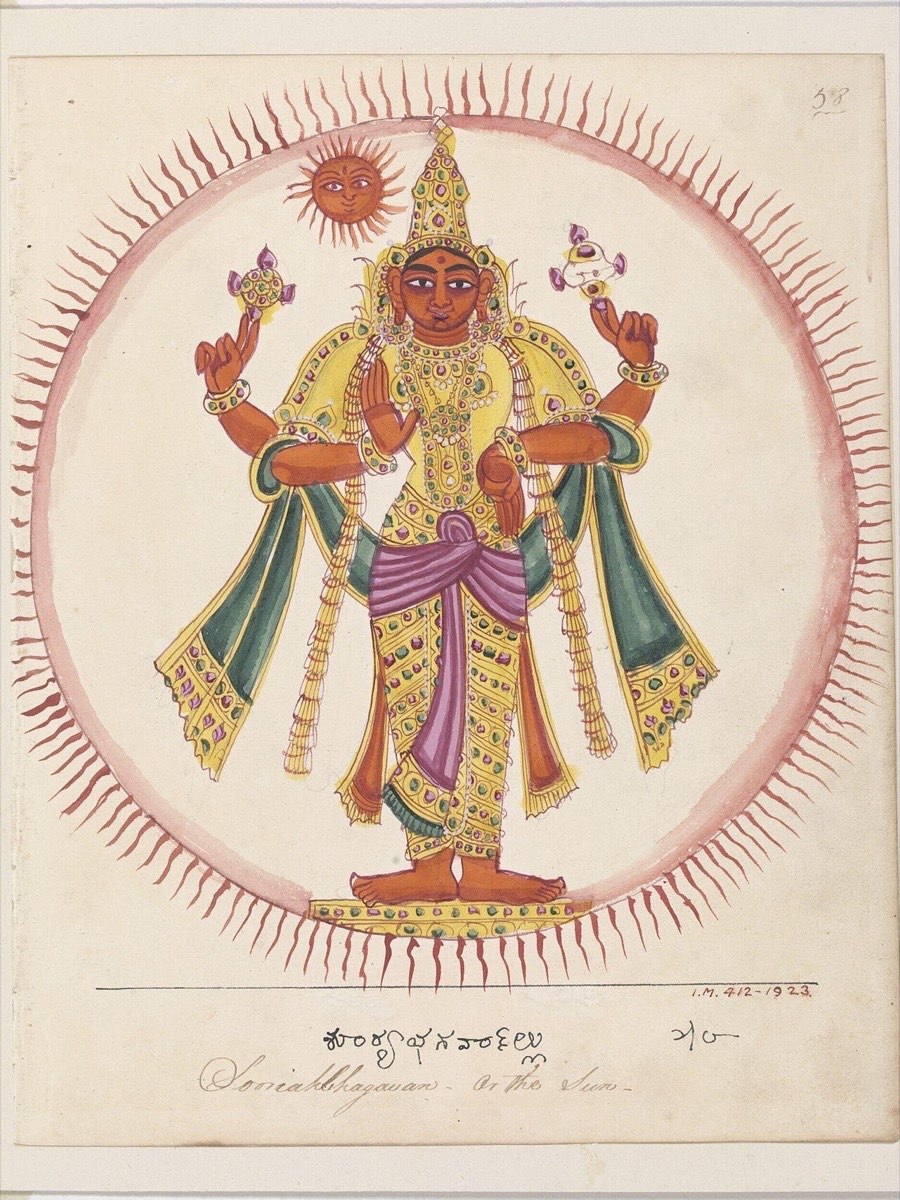
वैसाखी · विषु · पुत्तंडु
Vaisakhi / Vishu / Puthandu: meaning, story frame, and practical celebration notes for home and temple — written for clear learning across India and the diaspora. Vaisakhi / Vishu / Puthandu: meaning, story frame, and practical celebration notes for home and temple — written for clear learning across India and the diaspora. April harvest new years — Baisakhi joy, Vishu kani, and Tamil Puthandu beginnings.
अप्रैल मध्य उत्तरी–दक्षिणी नववर्ष/फसल पर्व — प्रवासी परिवार छुट्टी और मंदिर समय जोड़ते हुए खोजते हैं।
Vaisakhi / Vishu / Puthandu is observed in Hindu calendars as a day (or season) that renews a specific devotional intent — gratitude, vow-keeping, seasonal change, or remembrance of a deity’s deed. On TirthaYatra we explain the meaning in plain language so home practitioners and temple visitors share a common frame before rituals begin. Mid-April brings interleaved New Year / harvest festivals across North and South — heavily searched by diaspora families coordinating school leave and temple visits. Exact tithi and regional names vary; use a trusted panchang for your city, then follow the custom of your family or temple. The spiritual thread is continuity: marking sacred time with awareness rather than rushing through empty form.
मेष संक्रांति कई रीतियों का आधार। विषु कणि की शुभ दृष्टि, नये खाते, फसल आभार। सिख इतिहास में वैसाखी साहस का दिन भी — पड़ोसी हिंदू परिवार मेले की मैत्री बाँटते हैं।
Traditional tellings linked to Vaisakhi / Vishu / Puthandu usually connect a deity’s compassion, a devotee’s vow, or a cosmic episode remembered through epic and Puranic memory. Households retell a short version before lamp-lighting or fasting; temples may stage longer katha, bhajan, or drama. Solar transition into Mesha (Aries) underpins many of these observances. Folklore and regional epics bless the first sight of auspicious objects (Vishu kani), the opening of new account books, and thanksgiving for wheat and rice harvests. Sikh history also marks Vaisakhi as a day of communal courage — neighbouring Hindu households often share the season’s melas in friendship. Versions differ by region and lineage. TirthaYatra’s retelling is an original learning summary for cultural understanding — not a verbatim scripture reprint, and not a substitute for your family priest or temple board.
सौर–कृषि कथा — सूर्य स्पष्टता, अन्नपूर्णा का धान्य, नैतिक वर्षारंभ। एक आकाश, अनेक रसोई।
Mythologically, Vaisakhi / Vishu / Puthandu sits inside wider Hindu sacred geography and time: deities, avatars, and seasonal goddess cycles that communities map onto the lunar calendar. The same festival can emphasise different deities or local heroes depending on state, language, and sampradaya. The mythology is solar and agrarian: Surya’s clarity, Annapurna’s grain, and the ethical reset of a fiscal–ritual year. Diversity is the point — one sky, many kitchens. What stays stable is the ethic: purify intention, honour the deity associated with the day, share prasadam or charity where custom allows, and keep vows without harming health or neighbours.
Harvest thanks to light and food — the oldest festival grammar.
विदेश में गुरुद्वारा और हिंदू मंदिर एक ही सप्ताहांत कैलेंडर में आते हैं — दोनों का सम्मान जरूरी।
Outside India, Vaisakhi / Vishu / Puthandu is often adapted to weekend schedules, school calendars, and community hall bookings. Associations in the USA, UK, Canada, Gulf, and Southeast Asia host evening programs so working families can participate after office hours. Gurdwara and Hindu temple complexes abroad often sit within the same April weekend calendar — practical guides should list both respectfully. The useful diaspora habit is planning early: confirm temple parking, footwear rules, and whether the evening is family-open or ticketed cultural show — then keep the devotional core (story, lamp, gratitude) even if the scale is smaller than in India.
Save this festival to My Board to track ticks there.
Vaisakhi / Vishu / Puthandu: meaning, story frame, and practical celebration notes for home and temple — written for clear learning across India and the diaspora. Vaisakhi / Vishu / Puthandu: meaning, story frame, and practical celebration notes for home and temple — written for clear learning across India and the diaspora. April harvest new years — Baisakhi joy, Vishu kani, and Tamil Puthandu beginnings.
Temple visit; wear new clothes; share regional sweets Vishu: arrange kani (mirror, rice, fruit, gold, scripture) for first sight Puthandu / Baisakhi: family feast and community fair if available Donate grain or cook for someone who needs a meal Read or hear a short katha suited to the day Keep a simple sattvic meal pl…
Mythologically, Vaisakhi / Vishu / Puthandu sits inside wider Hindu sacred geography and time: deities, avatars, and seasonal goddess cycles that communities map onto the lunar calendar. The same festival can emphasise different deities or local heroes depending on state, language, and sampradaya. The mythology is sol…
Help us validate this page: suggest a correction, add a detail, or highlight something useful for home puja readers.
Feedback is emailed to TirthaYatra for editorial review. It is not published live automatically (safer for quality and ads policy). You can also keep a personal copy on this device.