Yama & Yamuna
Their sibling meal is the mythic template for Bhai Dooj — hospitality as blessing, tilak as shield.
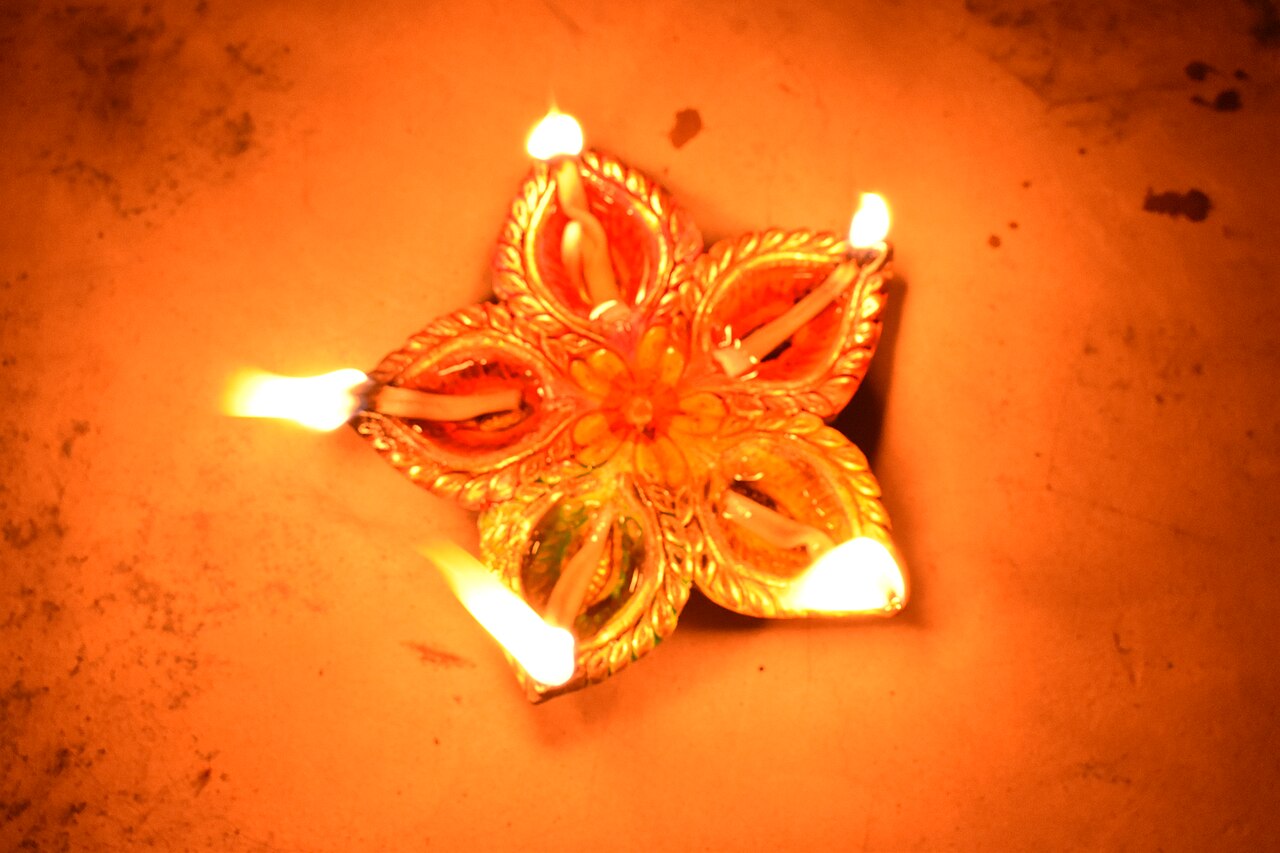
भाई दूज
Bhai Dooj: meaning, story frame, and practical celebration notes for home and temple — written for clear learning across India and the diaspora. Bhai Dooj: meaning, story frame, and practical celebration notes for home and temple — written for clear learning across India and the diaspora. The post-Diwali sibling day — tilak, sweets, and prayers for a brother’s long life.
भाई दूज दीपावली अमावस्या के बाद द्वितीया पर आता है। बहन टीका–आरती से भाई का स्वागत करती है; भाई उपहार और स्नेह देते हैं — दीपावली श्रृंखला का पारिवारिक समापन।
Bhai Dooj is observed in Hindu calendars as a day (or season) that renews a specific devotional intent — gratitude, vow-keeping, seasonal change, or remembrance of a deity’s deed. On TirthaYatra we explain the meaning in plain language so home practitioners and temple visitors share a common frame before rituals begin. Bhai Dooj (also Bhai Tika / Bhau Beej) falls on the second day after Diwali Amavasya in many calendars. Sisters welcome brothers with a tilak and aarti; brothers offer gifts and care. It closes the Diwali cluster with kinship. Exact tithi and regional names vary; use a trusted panchang for your city, then follow the custom of your family or temple. The spiritual thread is continuity: marking sacred time with awareness rather than rushing through empty form.
कथा: यम को बहन यमुना ने टीका–भोजन से स्वागत किया; यम वर देते हैं कि इस दिन बहन की सेवा पाने वाले भाई दीर्घायु हों। अन्य कथा कृष्ण की दीपावली विजय के बाद सामान्य स्नेह की वापसी की है।
Traditional tellings linked to Bhai Dooj usually connect a deity’s compassion, a devotee’s vow, or a cosmic episode remembered through epic and Puranic memory. Households retell a short version before lamp-lighting or fasting; temples may stage longer katha, bhajan, or drama. One popular legend links the day to Yama and his sister Yamuna: she welcomed him with tilak and a meal, and he blessed any brother who receives his sister’s care on this day with longevity. Another strand places the festival in the glow after Krishna’s Deepavali victories — siblings reclaiming ordinary love after cosmic battles. Versions differ by region and lineage. TirthaYatra’s retelling is an original learning summary for cultural understanding — not a verbatim scripture reprint, and not a substitute for your family priest or temple board.
यम और यमुना का बंधु–मिलन मृत्यु के भय को परिवार की गर्माहट से नरम करता है — धर्म में संबंध रक्षा भी है।
Mythologically, Bhai Dooj sits inside wider Hindu sacred geography and time: deities, avatars, and seasonal goddess cycles that communities map onto the lunar calendar. The same festival can emphasise different deities or local heroes depending on state, language, and sampradaya. Yama (lord of orderly death) and Yamuna (living river) meeting as siblings softens fear of mortality with the warmth of family ritual. The day says: dharma includes protecting bonds, not only temples. What stays stable is the ethic: purify intention, honour the deity associated with the day, share prasadam or charity where custom allows, and keep vows without harming health or neighbours.
Their sibling meal is the mythic template for Bhai Dooj — hospitality as blessing, tilak as shield.
Some households remember Krishna visiting his sister after the festive nights — a softer Vaishnava colour on the same kinship theme.
विदेश में भाई दूज प्रायः पारिवारिक और शांत रहता है — दीपावली सप्ताह के घर की रीति।
Outside India, Bhai Dooj is often adapted to weekend schedules, school calendars, and community hall bookings. Associations in the USA, UK, Canada, Gulf, and Southeast Asia host evening programs so working families can participate after office hours. Often quieter than Diwali abroad, Bhai Dooj is kept inside the family. Some temples mention it in the Diwali week calendar; most celebration is at home. The useful diaspora habit is planning early: confirm temple parking, footwear rules, and whether the evening is family-open or ticketed cultural show — then keep the devotional core (story, lamp, gratitude) even if the scale is smaller than in India.
Save this festival to My Board to track ticks there.
Bhai Dooj: meaning, story frame, and practical celebration notes for home and temple — written for clear learning across India and the diaspora. Bhai Dooj: meaning, story frame, and practical celebration notes for home and temple — written for clear learning across India and the diaspora. The post-Diwali sibling day — tilak, sweets, and prayers for a brother’s long life.
Sister prepares aarti thali; applies tilak to brother Share a festive meal; exchange gifts Include cousins and chosen siblings if that is your family custom If apart, schedule a video tilak and send sweets Read or hear a short katha suited to the day Keep a simple sattvic meal plan if fasting Visit a local mandir when…
Mythologically, Bhai Dooj sits inside wider Hindu sacred geography and time: deities, avatars, and seasonal goddess cycles that communities map onto the lunar calendar. The same festival can emphasise different deities or local heroes depending on state, language, and sampradaya. Yama (lord of orderly death) and Yamun…
Help us validate this page: suggest a correction, add a detail, or highlight something useful for home puja readers.
Feedback is emailed to TirthaYatra for editorial review. It is not published live automatically (safer for quality and ads policy). You can also keep a personal copy on this device.